

A warming drawer is probably one of those appliances you often overlook when you're thinking about a total kitchen redesign. That's because a warming drawer isn't quite as visible or as glamorous as a new stove, fridge, or dishwasher. And unlike your range, refrigerator, and dishwasher, a warming drawer doesn't change how you prepare meals - this hidden gem in your kitchen could help you avoid several common problems many cooks experience, especially if you frequently cook for large families or entertain during the holidays.
You won't have to put finished dishes back in the oven to keep them warm. You won't need to cover them with aluminum foil so they don't get cold quickly. Furthermore, you won't have to try to synchronize each of your finished dishes to come out at precisely the same moment so everyone eats together. Instead, you'll have a designated place to keep food warm.
How Does a Warming Drawer Work
A warming drawer is a kitchen appliance dedicated to keeping already prepared food warm. For instance, Wolf states that the best results will always occur by starting with hot food and then using the drawer to keep it at serving temperature. Many warming drawers also offer features like dough proofing, plate warming, and humidity control. GE's current 27-inch warming drawer offers temperature options ranging from 80°F to 210°F along with humidistat control. So, there are additional functions of a warming drawer beyond just what its name implies.
Keeping a Dinner Warm is Only The Beginning
One of the simplest ways to utilize a warming drawer is to maintain the warmth of the final course. For example, you are preparing a roast with vegetables and a side. The roast is done, but the vegetables still require 15 minutes of cooking. Rather than allowing the first item to become cooler on the counter, you can transfer it to the warming drawer so it can remain warm while you complete cooking.
Entertaining provides another opportunity to benefit from using a warming drawer. Since multiple courses may be removed from the oven at various times throughout a dinner service, a warming drawer allows you to store each course until all courses are ready to be served.
Additionally, some warming drawers provide features such as warming plates and serving dishes. However, these features depend upon the specific design of the product and the manufacturer's guidelines for operation.
It Can Help With Bread and Dough
Some warming drawers include a proofing setting for yeast dough. For example, Wolf's warming drawer includes a proof function with a default temperature of 85°F and an adjustable proofing temperature range of 80-110°F.
This feature alone can be helpful for people who regularly bake homemade bread, pizza, and other yeast-based baked goods that require a warm environment to rise.
Temperature Matters
While a warming drawer is essentially a compact version of an oven, there are significant differences between individual models regarding their temperature ranges and available temperatures. One of the Wolf warming drawers, for example, has set temperature levels for proofing (85°F), low (120°F), medium (160°F), and high (200°F).
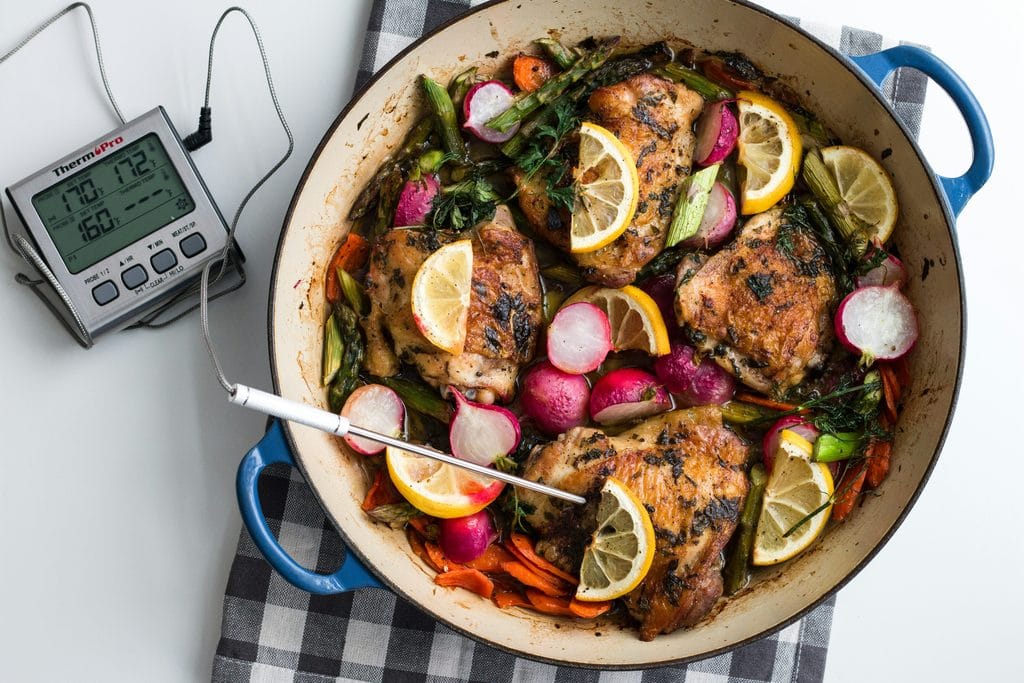
Food safety matters here too. When considering the potential risks associated with storing perishable food items in a warming drawer, the USDA identifies 40°F - 140°F as the "danger zone" where bacteria may rapidly multiply. Perishable foods stored in a warming drawer should be maintained at 140°F or greater. A reliable method to verify the food's internal temperature is with a food thermometer.
Therefore, instead of relying solely on assumptions about whether lower temperature settings will adequately address food safety requirements for storing certain types of food, consumers should follow manufacturer recommendations when operating their warming drawers.
Where Does a Warming Drawer Go
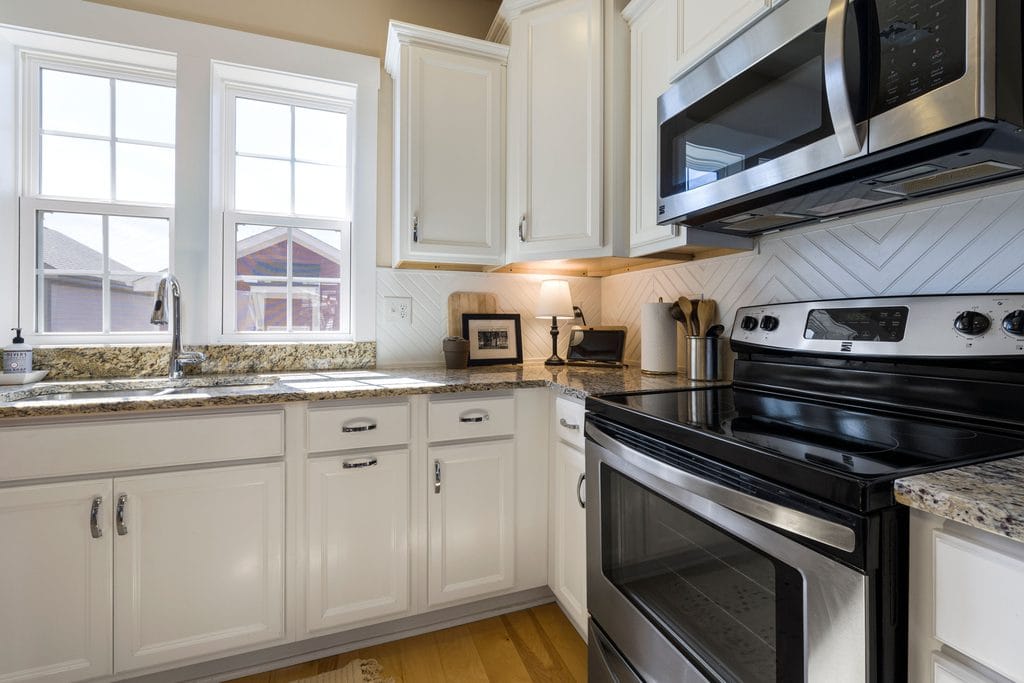
Warming drawers are designed to be integrated into a kitchen's design, and they can take up less counter space than other appliances. The location of your warming drawer will depend on how you plan to use it and where it fits into the overall layout of your kitchen. GE has one model with installation options under a wall oven or under a cooktop.
You may want to consider adding this appliance during your remodel when you're also planning for cabinets and placement of all of your appliances. It is much easier to install these types of appliances at the same time as your new cabinets and electrical connection than it is after the job is complete.
Whether a warming drawer is right for you will depend on how you use your kitchen.
Is a Warming Drawer Worth the Space
If you rarely entertain, if you usually just cook one or two dishes at a time, and you have enough room in your existing oven, then probably not. However, if you host Thanksgiving, family dinners, or large gatherings several times a year, the calculation can be different. Having a dedicated place to keep finished dishes frees up the main oven and makes it easier to coordinate a larger meal. If you bake frequently, you may also like the proofing function that many of these appliances offer.
So, a warming drawer is an appliance that some people need and other people don't; it really depends on how you actually cook.
Think About It Before the Cabinets Are Ordered
This is the stage of your remodel where it makes sense to discuss a warming drawer. Its location can be considered alongside your oven range, fridge, cabinets, outlets, and storage spaces. This way, you’ll have more flexibility than trying to find a place for it after the job is done.
Also, since the warming drawer is part of the kitchen, its size and location should work well with your kitchen’s total layout instead of being an afterthought.
If you are planning a kitchen remodel and thinking about which appliances and features are worth adding to your space, contact your local remodeling company today to discuss your remodeling project and design a kitchen that works for you.
References
Wolf Warming Drawer
GE Appliances Warming Drawer
USDA What is the Danger Zone?
5 Reasons Your Kitchen Could Use a Warming Drawer
0 Comments