

Seasonal maintenance is essential for any Pennsylvania homeowner. Living in Pennsylvania puts your home through the wringer: hot, humid summers, rain-filled springs, cold, snowy winters, and rapid changes in humidity all take their turn. Consistent maintenance will protect your investment and keep small issues from growing into costly repairs.
You don't have to view maintenance as an overwhelming task. All you need to do is know which part of your home requires your attention in each season and address problems before they develop any further.
Spring: Looking for Winter’s Effect
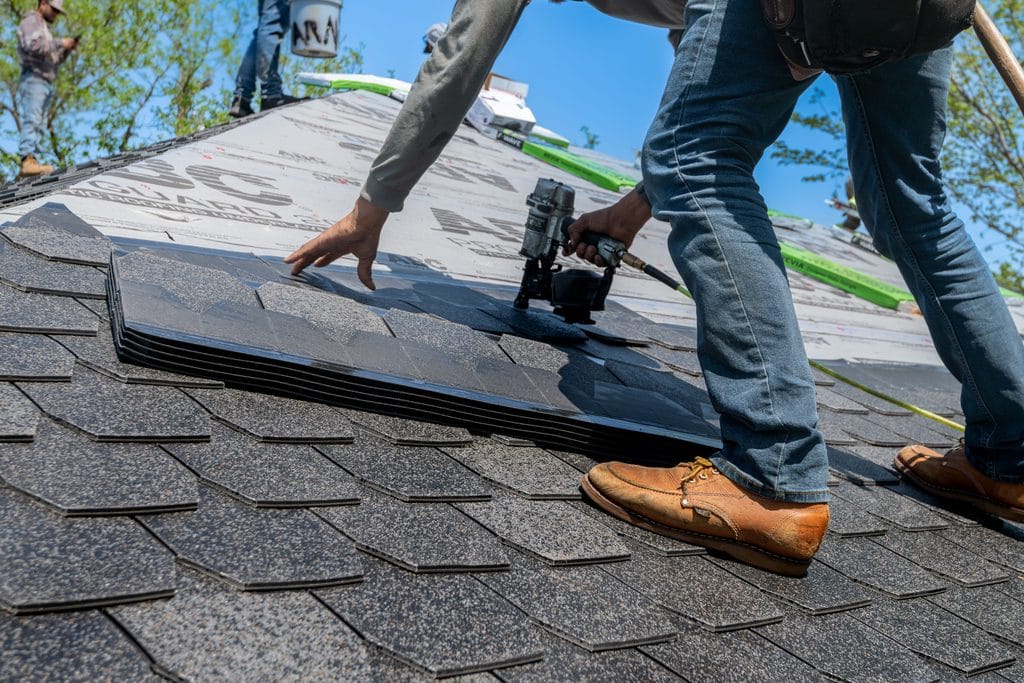
After months of frigid temps, spring is an excellent opportunity to examine your house for damage caused by snow, ice, and freezing conditions. First, check your roof from the ground for any missing or damaged shingles - particularly after any storms - and call a professional if you spot anything concerning rather than climbing up yourself. There are 4 main types of shingle materials, and they all have different lifespans: asphalt (~20 years, and by far the most common in PA, found on over 80% of homes), metal (~60 years), clay or concrete (~70 years), slate (~100 years). Also, review your gutters and downspout system from the ground, as clog damage could create water accumulation that could impact your foundation - if they need clearing, it’s best to leave that to a professional too
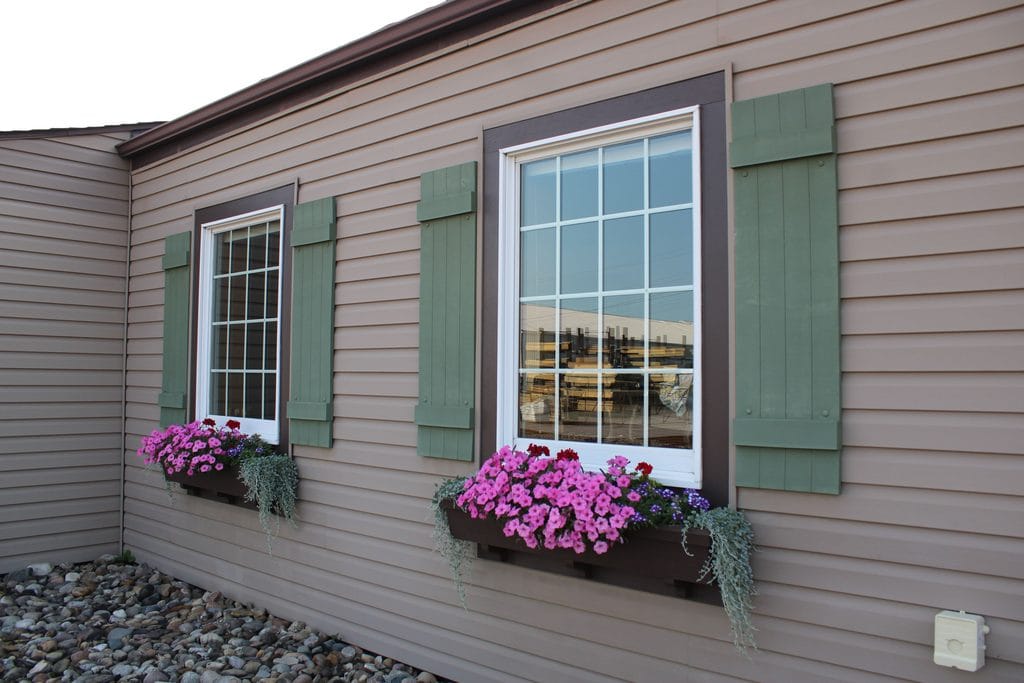
In addition to reviewing your gutters and downspouts, now is a perfect time to assess your siding, windows, and doors. Cracks and gaps large enough for air and moisture to leak in may appear insignificant yet could negatively impact your home's energy efficiency and overall comfort level.
While many people tend to overlook their basement, Pennsylvania homes typically experience significant amounts of moisture due to heavy rainfall and fluctuating temperatures. Assessing your basement for leaks, musty smells, or signs of water damage allows you to find potential problems early.
Summer: Focusing on Exterior Areas
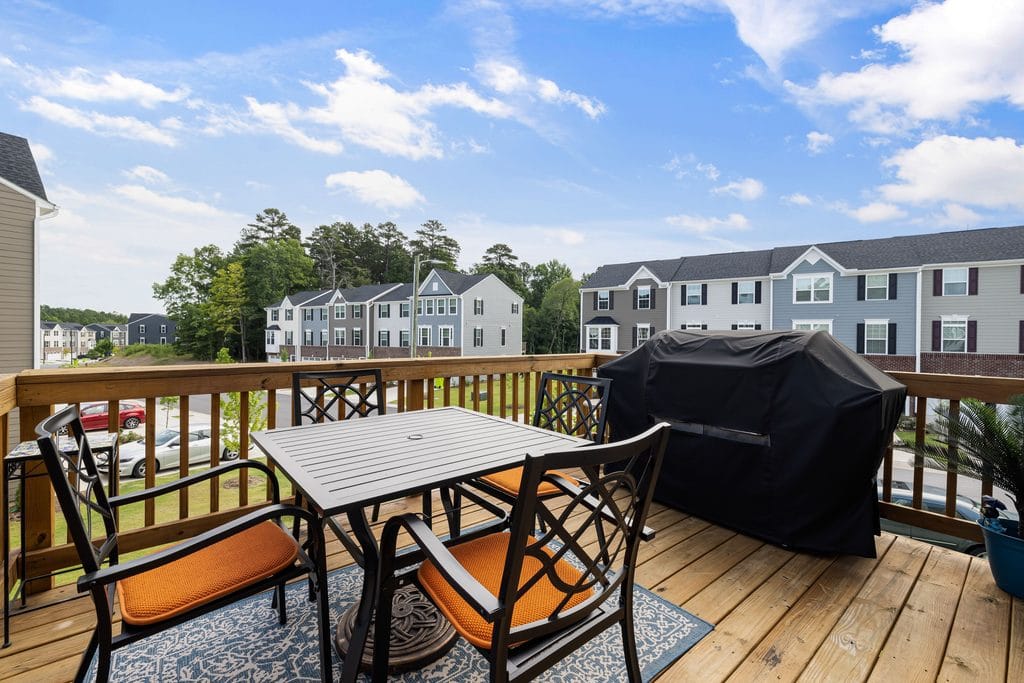
During the summer months, when many homeowners spend more time outdoors, it is the ideal time to perform upkeep and repairs on patios, decks, and other outdoor structures. Review wood-based decks for signs of wear - for example, cracking, loose boards, or fading finishes. By sealing your deck every 1-2 years, the longevity of the material can be extended.
It is also a good idea to evaluate your landscaping. Be certain that water drains away from your home and not toward the foundation. A slight adjustment in drainage can help prevent a bigger problem later.
Homeowners frequently focus on the visible components of their houses (kitchens, living rooms), but maintaining the exterior of the property is equally important. An attractive interior still needs a robust and protective framework.
Fall: Preparing For Cold Weather
Fall is one of the best seasons to prepare your home for cold weather in Pennsylvania. Before the temperature drops, review your windows and doors for air leaks. Applying weatherstripping or enhancing your home's insulation can greatly improve your home's warmth and comfort level during the winter months.
Fall is also an excellent time to have your heating system inspected to ensure that it is functioning correctly. A small problem with your heating system in late fall is relatively easy to resolve compared to having it fail you during a harsh winter evening.
Don't neglect your roof and gutters either. As leaves accumulate, they can rapidly clog your drain systems, creating potential water accumulation that may freeze. Cleaning your gutters regularly protects your roof, siding, and foundation.
Winter: Protecting Your Property From Inclement Weather
Winter poses some of the largest obstacles for Pennsylvania homeowners. Extreme temperatures can adversely affect plumbing, exterior materials, and uninsulated areas of your home.
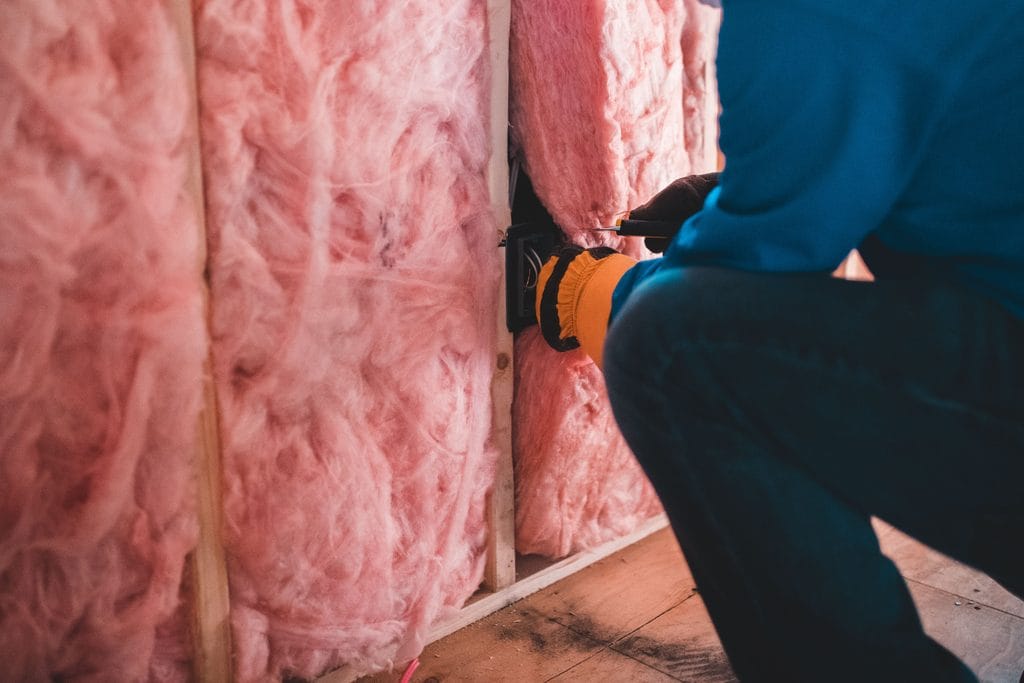
Check out areas that could be affected by cold air (e.g., old windows, doors, unfinished areas). Properly insulating your home maintains a warm interior climate and decreases strain on your heating system.
Maintenance doesn't mean solely stopping damage; it implies making your home function better for your everyday life. Maintaining a warm home in winter and a cool home in summer makes it a more comfortable place for you and your family to live.
Year-Round Approach To Home Maintenance
Each season presents its own set of challenges; however, consistent maintenance makes dealing with these challenges simpler. Performing smaller repair jobs and regular inspections throughout the year can save you time, money, and stress later.
The weather in Pennsylvania is very unpredictable. In 2025, there was heavy snow; this year there might be more rain or extreme temperature fluctuations. Due to this unpredictability, maintaining awareness of how your home responds to environmental factors will serve you well. Developing a seasonal maintenance schedule is a practical method for supporting the long-term health, comfort, and value of your home.
While seasonal maintenance helps protect your home, some projects require more care. Whether you need repairs, upgrades, or a complete renovation, it’s worth working with a qualified contractor who can help create a space that’s built to last.
References
How Often Should a Wood Deck or Fence Be Sealed?
ENERGY STAR Heating & Cooling Maintenance Checklist
The Best Roofing Materials for Pennsylvania Homes
0 Comments