

A house shares surprising similarities with the human body. Consider the exterior walls as the skin, the interior walls as partitions protecting vital contents, and the framing as the skeletal structure. While many other parallels exist, we'll focus specifically on the purpose and function of a building's "skeletal" system. Framing is a crucial element in modern construction, required for nearly every civic structure, from towering city skyscrapers to small backyard sheds. This blog post will explore framing, including key terms, its history, important considerations, and more, providing you with a foundational understanding of what's involved.
Defining Terms
This section will explain the common terminology used with framing along with descriptions of when and where it could be used. Although most of the words and phrases are easily recognizable, not all of them are used in everyday conversation. More information is easily found by a quick online search of the term if you are seeking more than just a quick overview.
- Beams: Structurally supportive boards (usually wooden but can also be made out of concrete, steel, and a variety of other materials) that are laid laterally to withstand pressure. There are multiple types of these to suit each project’s unique needs and structure.
- Building Codes: Guidelines for your project, as determined by your municipality. There can be extra considerations from your state and area due to different environmental factors.
- Columns: This structure is made to bear weight vertically and acts as a vertical counterpart to beams. Just like the other term, it can be made out of wood, concrete, steel, and more. There are lots of options regarding columns for your project.
- Headers: These are associated with doorways and it’s what makes the load distributed evenly to each side from the vertical weight to the doorway or other spaces.
- Joists: Usually used for flooring, it’s a structure meant to create open spaces. It works together with beams to share any vertical weight. Often it is doubled or tripled up for strength.
- Trusses: A roof top structure that is typically triangular in shape. There are curved, flat, and other options besides the extensive amount of triangles. This acts as the main frame for most roofing projects.
History
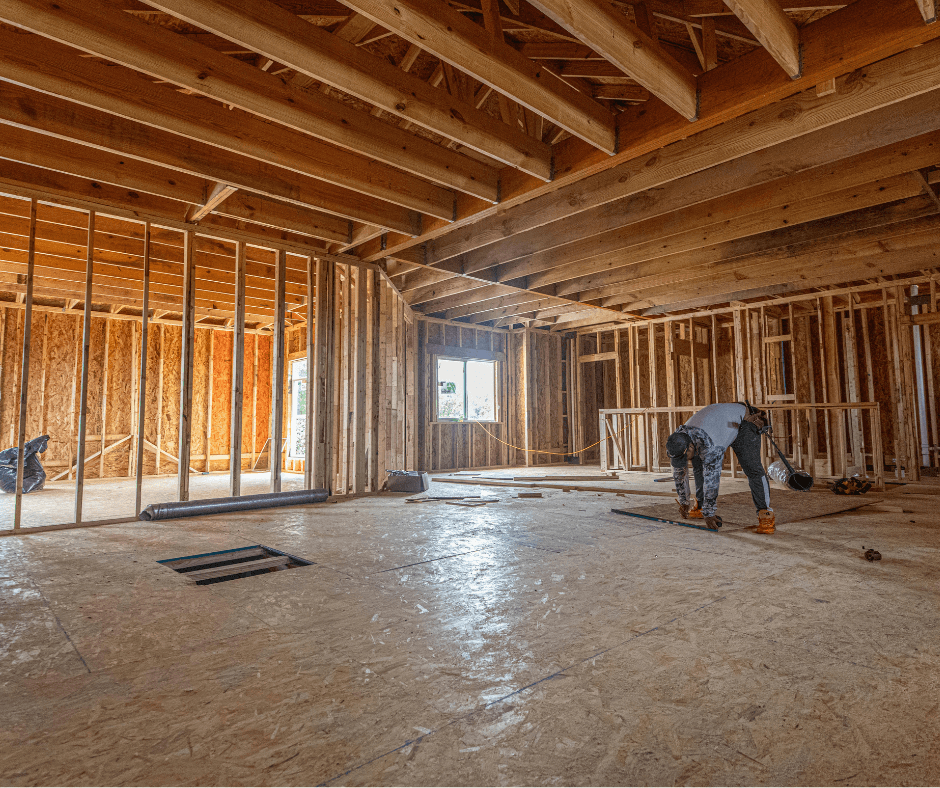
There are three main types of framing that are seen in America. First, colonists made timber frames.Carpenters typically constructed these frames with specialized joints and often used wooden pegs to hold them together. At the time, large lumber was widely available and acted as the first step. Balloon framing followed, distinguished by its use of numerous smaller pieces of lumber that enveloped the structure. This was a monumental time, as a carpenter was not only welcome but completely necessary. For this specific project, anyone could use nails instead of needing to carefully carve framing joints. Following those types of construction, platform framing emerged as the newest popular method. Unlike balloon framing, which necessitated numerous shorter pieces of lumber, the platform method utilizes shorter lengths structured much like a box. It makes the process sturdier and more adaptable, since the top of the last one can act as the floor without requiring extensive changes. Not only is it more time efficient, it’s cheaper, and one of the most widely utilized methods today. For more information, look at the blog by Fine Homebuilding.
If you have even a suspicion that there could be something wrong with your frame, it’s better to address it sooner than later. Bugs, moisture, pests, rot, and more can eat away at your home. Although it can be prevented with proper care and proper structuring to keep those areas sealed, sometimes breaches happen. When they do, it opens the risks to other issues that can ruin the framing in your home. By checking every 20 years or more based on the recommendations for the material your frame is made out of, you can prevent expensive repair costs.
Your Options for Framing
Concrete
Although concrete is not often used for most residential buildings, there’s always a possibility. This option is usually seen in apartment complexes, high strength projects, and areas with high tectonic movement. Although not necessarily used for a single build structure, when it is, the home tends to be built to last. Other projects like bridges, factories, and more also use concrete framing for their structures.
Time of construction: Usually 6-12 months
Pros:
- Extremely durable
- Lasts for an extremely long amount of time
- Withstands extreme weather like earthquakes
Cons:
- One of the most time consuming to set up
- Expensive compared to the other options
- Not often used for single residential homes
Composite
In a composite mix, there’s a matrix material that acts as the glue and a filler/fiber material that improves factors and acts as the main substance. Matrix materials can include cement, epoxy, lime, resin, and more. Some matrixes are mixes of their own, with metal being part of the binding component. Some examples of filler materials would include man-made fibers like glass, carbon, and quartz or natural materials like bamboo, wood, and more!
Time of construction: Usually 1-3 weeks
Pros:
- Far lighter than most materials
- Improved factors due to various materials mixing
- Strong enough to last for a long time
Cons:
- Composites are manufactured specifically, so design can take more time to fulfill your ideal structure
- High initial costs
- Difficult and expensive to repair when repairs are needed
Cross Laminated Timber
Cross laminated timber is lumber stacked on itself repeatedly with heavy duty glue in between layers. After the timber is dried, it’s quickly shaped before cutting into the panels people use today. There are two ways to use it, with structural and nonstructural options existing to offer a variety of uses. This option, also known as CLT, has information gathered by Virginia State University. Focusing construction on cross-laminated timber could, on average, reduce the environmental impact by 26.5%, according to the available data on the material's sustainability.
Time of construction: Usually 1-3 weeks
Pros:
- Sustainable and appeals to aesthetics
- Earthquake resistant
- Extremely high strength with quick assembly
Cons:
- Moisture sensitivity
- Restricted availability of material
- Tends to be more expensive than other wood options
Steel
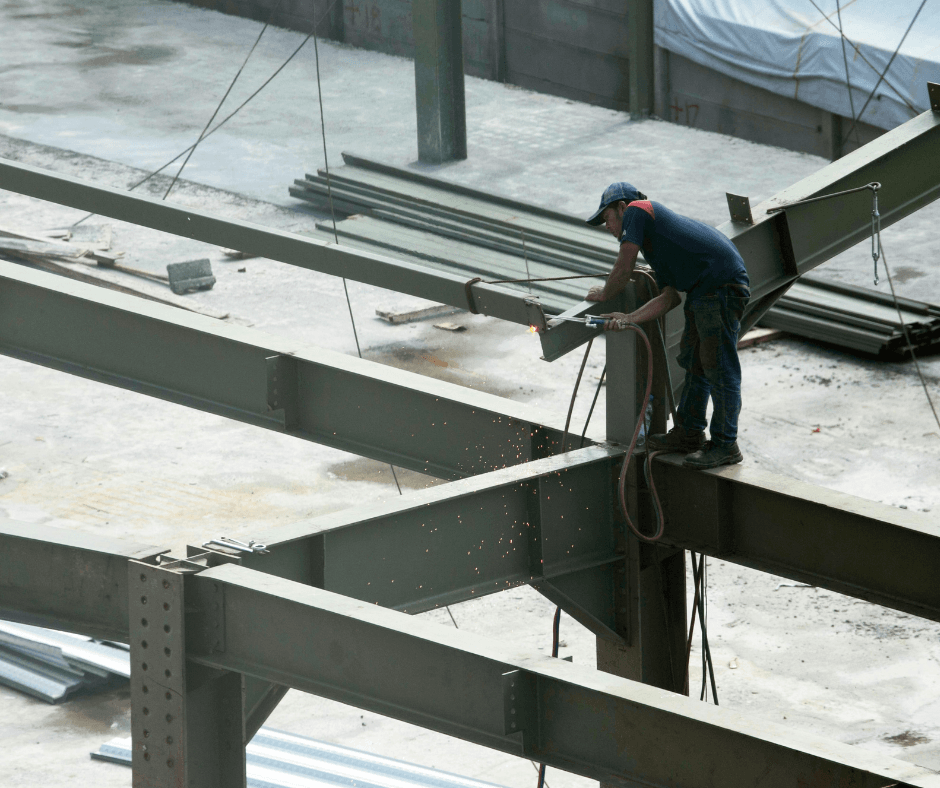
After being forged by fire, steel is one of the most heavy weight construction materials. It offers a balanced solution, combining the inherent strength of the material with the high durability of concrete. This material is a common choice for skyscrapers and other buildings looking to support a large amount of height or weight. This framework style can also give homes an industrial kind of look, with exposed beams providing an extra touch.
Time of construction: Usually 6-12 months
Pros:
- High strength to weight ratio, so it’s going to be standing for a long time
- Ideal for the tall builds or ones with lots of people
- You won’t have to worry about fire, pests, or rot
Cons:
- Higher cost for initial starting
- Needs specific equipment and labor to set up
- Takes a long time to finish
Wood
Also called Stick Framing, it’s the most common type of framing in the United States today. Wood has been used for generations and tends to be the easiest material to get and maneuver. Since it’s relatively lightweight, it tends to be one of the fastest materials to build frames. Although it’s a tried and true method, let’s look at the pros and cons of wood framing.
Time of construction: Usually 1-3 weeks
Pros:
- Readily available almost everywhere
- Cost effective
- Acts as a natural insulator
Cons:
- Needs to be properly treated to prevent pests, rot, and more
- Has a need to upkeep it regularly for durability
- Tends to be highly flammable
Framing of Today
Today's construction offers unprecedented reliability in a home's basic structure, thanks to ongoing improvements in safety, material sustainability, and the array of modern framing options. Despite having advantages to the new materials for construction, wood is still used more than ever. It’s sturdy, familiar, easy to use, and readily available. That said, depending on where your frame is being made can help determine the material you should use. For instance, the dry climate in California has contributed to incidents where wooden framing has been susceptible to catching fire. To learn more information about California’s specific fire warnings, click here.
Modern designers categorize the structural stresses placed on framing into three main load types: dead loads, live loads, and lateral loads. As a warning, there are more loads that exist but they’re more oriented towards weather considerations. Dead loads act as considerations for the total weight of the home. Live weights are calculated based on the various forces the home is expected to encounter. Lastly, lateral loads are the horizontal stabilizers that offer dynamic strength. More information can be found atArchitectureCourses.org.
Takeaway Tips
Here’s our recommendations as you navigate through the options of framing for your project! These tidbits are often connected to general construction tips as well and can be applied across disciplines for the future.
- Always find a professional that is knowledgeable
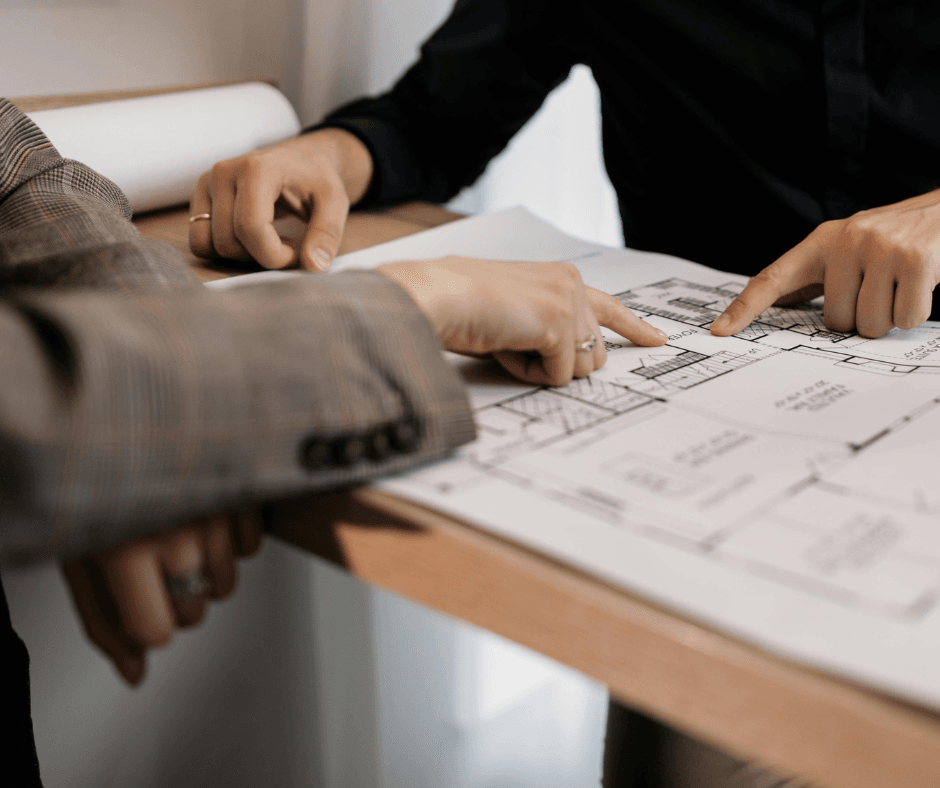
- Double check the blueprints before the project starts
- Consider what materials would benefit the climate/area you’re settling in
- Take adverse weather into account for house design
- Remember that each material has its own labor requirements
Conclusion
Framing is a necessary part of construction today, with frames acting as the bare bones of a structure. Without frames, houses would be unlikely to last and be easily conquered by things like weather, earthquakes, and more. Any kind of residential construction should also remember the permits and other logistics required to put up the frames for the build. No matter what material, design, or type of framework you choose, you will be utilizing the infrastructure that’s been slowly shaped throughout humanity’s history. For more information about framing, please visit below to the resources section. Or check out more diverse construction information on our website’s blog. As always, reach out to [email protected] for any questions, comments, or concerns. Check out our last blog on Top Contractors in Harrisburg. Thank you for reading!
All images sourced from Canva or BiiLT.
Resources:
- Framing Definition in Construction in the USA: An In-Depth Guide
- What is Framing (Structural Engineering) | Nortex Structural
- What Is Framing in Construction? | TRADESAFE
- Types of Framing in Construction (2025 Guide) | ArchitectureCourses.org
- Cross-Laminated Timber (CLT) - APA – The Engineered Wood Association
- What Is a Header in Construction: Everything You Need to Know
- Evolution of the House Frame - Fine Homebuilding
- https://metalprobuildings.com/faq/how-long-does-it-take-to-build-a-steel-frame-house-from-start-to-finish/
- House Framing 101: Cost, Timeline, & Tips to Frame a New House | Felix Homes
- Types of Loads in Structural Design: A Complete Beginner’s Guide | ArchitectureCourses.org
0 Comments