

Adding more space to your home can have numerous benefits for a homeowner. Whether you’re looking to add a bathroom, bedroom, gym, or more, this blog is for you. Budget planning for additions can be more complex than a remodel, with different options that can add up fast. This blog is focused on budgeting for additions, explaining the process, as well as offering suggestions on negotiation. Additionally, this blog links to other sources that go in depth about the breakdown of finances to do your planning.
Considerations: Pros and Cons of an Addition versus Remodel
The age old debate for a homeowner: whether to remodel or add an addition. For someone who does not want to move from their home, either option provides an improvement that can make the living space more comfortable and offer more space. Despite their similar results, these two projects contain numerous differences, which will be detailed in the following discussion. More alternatives to the ones listed here can be found at A. C. Wood Contracting.
Additions
Pros:
- Starting from scratch, lots of creative choice and customization
- No hidden costs that come up from the previous build; brand new
- Potentially more energy efficient and modern convenience
- Increases value long-term for the homeowner
Cons:
- Greater time investment
- Costs more ultimately, with far more choices that could be costly
- Decision fatigue can happen fast with all the options present
- Potential barriers with the existing home that is being built off of
Remodel
Pros:
- Keep what you love and update what you don’t
- Fewer decisions, which makes a faster planning process
- Less invasive to the home, usually isolated to the specific area
- More affordable than additions
Cons:
- Potential for hidden issues to come up, like faulty wiring, mold, etc.
- Less choice, usually the amount of space predetermined
- Might be a stark contrast to other parts of your home
- Less monetary value added to the home long-term
Common addition projects can be found at House Beautiful and Element Homes, which covers common cost averages. Despite them hosting two ranges of numbers, it is also important to remember that the area where someone lives impacts the prices significantly as well as the choices someone makes.
Processes for Additions
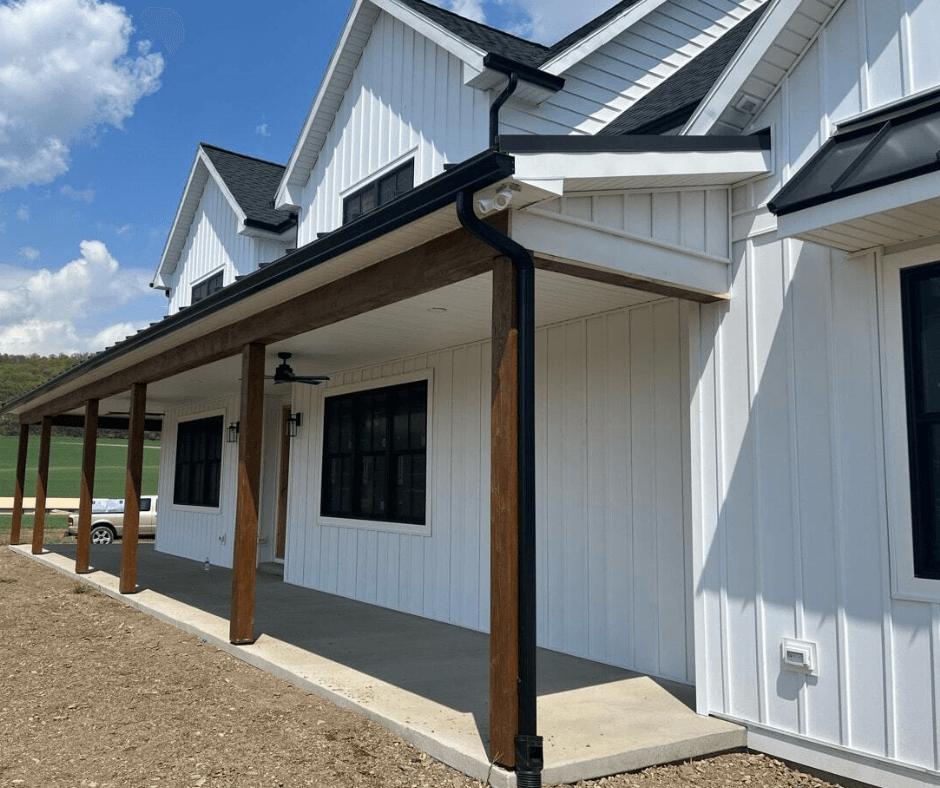
For additions, the first place to start is deciding what you would want to add to your home. From home gyms, to bathrooms, to kitchens, and more, it’s important to identify what would benefit you the most along with what you could afford. Keep in mind that the costs sectioned out in both the House Beautiful and Element Homes links will see some fluctuation based on location, which affects the pricing of materials, labor costs, and other factors. Once you've decided on the type of addition, you should measure the area where you plan to build. (I recommend measuring twice to be safe or have someone else double check for you since bad measurements can cost you in the long run.) Consider the features you want and your nonnegotiables- the things in your project that you must have before you select a company. After you have your ideas, you can contact companies by scheduling an estimate or by asking for a proposal for the project. Once either of those options are completed, it’s a good idea to narrow down your options of companies through price, quality, reviews, and how willing they are to negotiate. After all of those steps, then you can go forward with a proposal.
Keep in mind that some companies employ in-house designers, while others will require you to use external resources. Regardless, always review the blueprints thoroughly before starting any physical work. Only when everything is confirmed correct should the project proceed. After choosing all the parts that go into a design, it’s paramount that your company keeps you in the loop for what happens next. From there on, it’s mainly up to the companies to fulfill their side of the work once your contract is signed and or paid for. Numerous payment options are available for this type of service. These are also important to keep in mind when budget planning for additions.
Personalization Recommendations
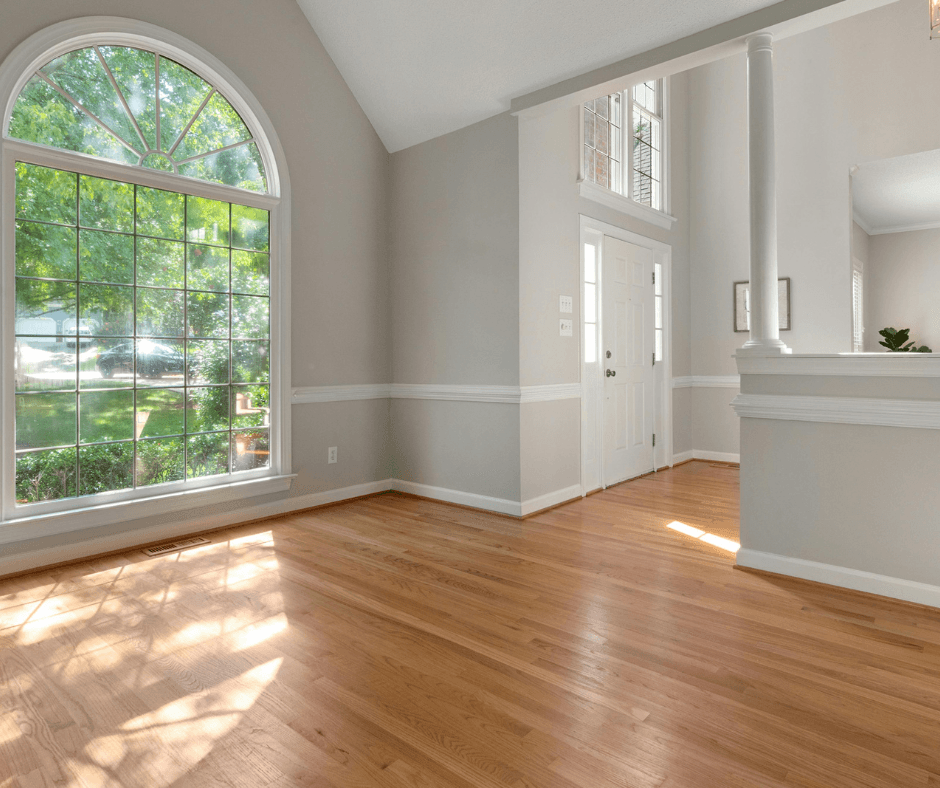
As explained earlier in the blog article, one of the main benefits of having an addition is having the widest creative control. Customization is something that can happen on many levels, from the set-up to the finer details of a project. This is a list of suggestions that the team of BiiLT would encourage you to think about as you make your selections for an addition:
- Built in shelves to walls: This is an elegant way to display belongings while increasing the amount of storage on has. Putting drawers or other cabinet-like options inside the wall can also support storage discreetly.
- Built in can openers for kitchens: Always struggle to find a can opener when you need one? Why not have it accessible to you always in your living space. Whether you’re a big fan of soda, beer, or more, this option can be convenient and well worth the investment.
- Dimmable lights: Whether you prefer cold or warm lighting, having dimmable lights can improve the ambiance of your space. Highly recommended for bedrooms, living rooms, and other places to relax.
- Skylights: This structure brings in large amounts of natural lighting to a space and has an opulent feel to it. Skylights were used to elevate in the days of the Romans.
- Secret Door: Feel like you’re missing whimsy in your life? Consider a secret door, easily hidden as a secret bookshelf or mirror. There are lots of options that can be fun, fresh, and give you some additional privacy to the space behind the door. Look at Woo Home's Article to find some neat projects for this topic.
Check out some more ideas at Better Homes & Gardens.
Tips for Additions
Additions are more complicated than just slapping an extension onto your home. There’s a lot of time, energy, and money that goes into it with a lot of things that people do not consider when they first seek to realize their vision. But don’t let this fact deter you from receiving one, especially if it’s the right choice for you. Below are tips from someone who has been in the construction industry for over 20 years.
Here are some tips from Ryan Straley, a BiiLT General Manager:
- Be aware of updated pricing - inflation and other factors can deter a buyer if the price that was on their website does not align with your expectations
- Suggest things you can do to meet the budget - if they’re asking for five thousand or less you can propose that you’d do your own painting, etc.
- Cheaper is not always better - In construction there’s cost, quality, and speed but you have to pick two
- Have no doubts in your deal before you do business- If you feel like your contractor is untrustworthy, they likely are. Follow your gut
- Always check the history of the contractor - Check for length the business has been running, reviews, their values, and the kinds of work they do
- Know your township requirements - By researching your township’s zoning ordinances and being familiar with their guidelines, you can save yourself a lot of time and energy. Learn about setback and storm water management
Conclusion
No matter what kind of space you’re looking for, there are a mountain of considerations to be made. By effectively budgeting and considering every part of the addition’s process, you can save yourself a great deal of resources. The sections regarding negotiation, pros and cons, as well as the process of additions should outline areas to keep in mind regarding additions. If at any time you have questions, comments, or concerns, please email [email protected] or comment on the blog. We will get an answer to you as soon as we can. Thank you for reading!
Resources:
- Mastering Residential Construction Budgeting + Free Template
- 18 Home Addition Ideas to Maximize Your Space
- 9 Home Additions That Will SIGNIFICANTLY Boost Your Home's Value, According to Experts
- How to Choose the Right Contractors for Your Home Renovation
- Pros and Cons of Remodeling vs New Construction: Make Practical Choice
- Pros & Cons of Home Remodeling - Local General Contractor | Residential & Commercial Construction Company |Garcia and Sons Construction LLC
- Should You Remodel or Move? | Zillow
- Is a Home Addition Worth It? Pros, Cons, and More
- The Pros and Cons of Home Additions: Should You Expand or Move? - Taylor Built Construction
- Benefits and Drawbacks of Making House Additions
- A Brief History of Skylights
- 2025 Home Addition Costs: Complete Guide to Budgeting and Planning | critchfield-construction.com | Critchfield Construction
0 Comments