

Any construction, remodeling, or renovation project is bound to generate a significant number of materials and debris in your space. It is completely understandable to be cautious about the dust and debris lingering in the air or hiding in the corners, especially following a major home project. Although there are quite a lot of things that are not of concern, it’s best to not come into direct contact with anything you’re unfamiliar with. We'll discuss the most common materials, identify hazardous substances to watch out for, and offer guidance on thoroughly cleaning your home to ensure your new space is sparkling and safe.
Common Materials
While it's always best practice to avoid inhaling materials, if exposure is unavoidable, these are the common jobsite substances you're most likely to encounter. Pieces can be of a variety of sizes and some are more easily seen than others due to color, texture, and the like.
- Paint chips
- This tends to be one of the most common materials seen floating around after a job, whether it’s painting related or not. Paint can chip, peel, or crack when certain conditions are met, which is why this material is often seen around windows, walls, and other surfaces.
- Grout
- This substance often comes from dealing with masonry and other tile and brick-related projects. This gritty dust often contains small fragments of brick or tile near the grout lines. Grout itself serves as a sealant for most projects.
- Sawdust
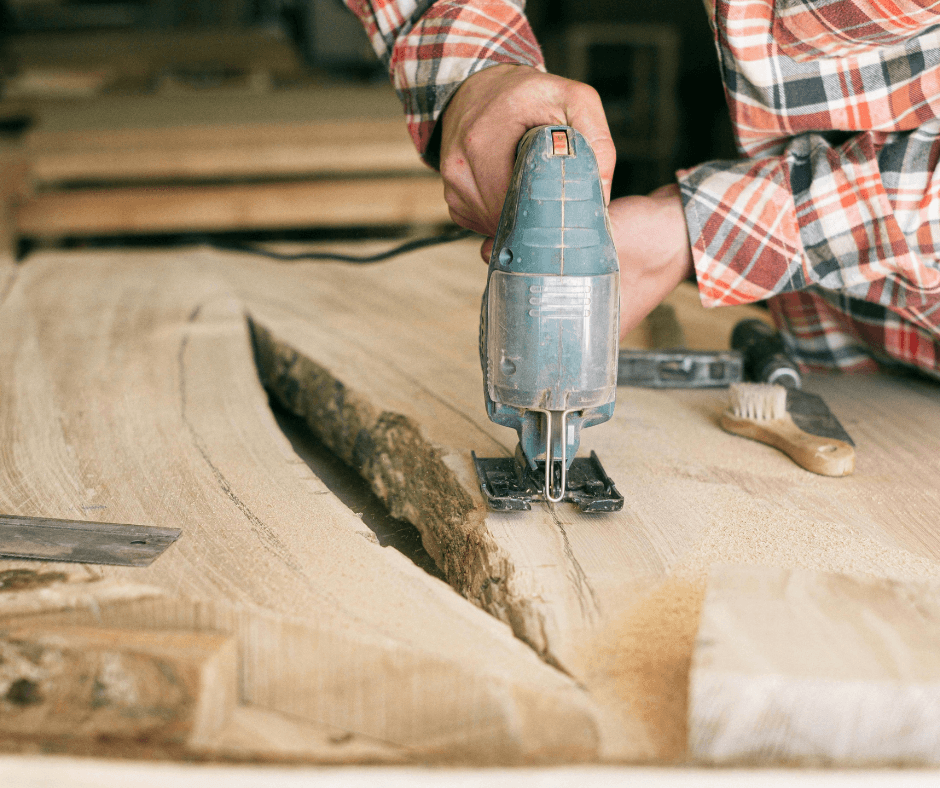
- Wood cutting or drilling often creates this material, which can result in a variety of interesting shapes. The material is one of the most common due to the sheer abundance of construction projects relying on wood. This is the stage where the wooden material begins to visibly take shape into something substantial.
- Siding panels
- Even though these materials are often larger, the dust and other particles on the siding panels can cause lung irritation. The plastic-like material in broken siding presents a hazard, as small fragments can be sharp enough to cut airways. Therefore, exercising caution around damaged siding is absolutely essential.
- Wood dust
- Slightly different from sawdust, wood dust is a smaller version of sawdust with the same materials. It’s not likely to be creating shapes and it has a low visibility despite some cases that can be seen with the normal eye. This is one of the most irritating due to the way this material is extremely small and can spread across all sorts of surfaces in your home.
Hazardous Materials
This is a quick run-down of materials that are more dangerous to deal with. You should use personal protective equipment (also known as PPE) when trying to clean or rid yourself of any of these materials. Should you attempt to clean these substances yourself, proceed with extreme caution. Otherwise, it is highly recommended to contact a trained professional for safe cleanup. The nature of your completed project may influence which of these issues, if any, you encounter.
- Asbestos Fibers
- Asbestos is the scratchy or itchy material that is often used within insulation. This material has been known to cause lung disease and other illnesses upon inhalation, with the mere exposure causing discomfort. This hazard often occurs due to roofing, new insulation, and other projects that would disturb whatever asbestos that was present. It’s essential to wear proper protective equipment like gloves, masks, and more when dealing with this material.
- Concrete Dust
- Concrete is a common material that can be utilized for construction of outdoor and indoor structures, needing some sort of liquid to mix with. Concrete dust is visible to the eye and should be washed off when in contact with human skin. Although limited exposure is not dangerous, prolonged exposure and inhalation can make this material extremely harmful. It’s best practice to wear masks, gloves, and goggles for mixing concrete.
- Fine Particulate Matter (also called PM)
- Particulate Matter is composed of solid matter and liquids, often relating to materials like dirt, dust, or soot mixing with water. The size of particulate matter can range from visible to the eye to visibly nonexistent. This material's damage is significant; its tiny particles often block the lungs and enter the bloodstream.Ensure all personal protective equipment is used, following the same precautions as for asbestos material.
- Lead Dust & Other Heavy Metals
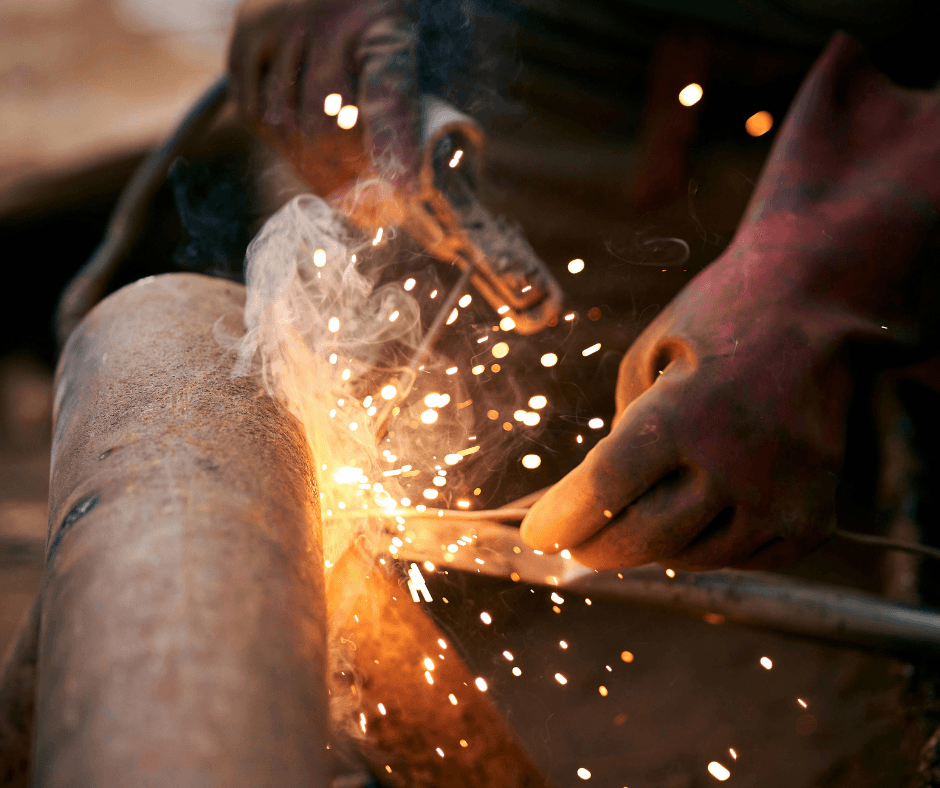
- Lead is known to be a dangerous material for construction, as health risks such as lead poisoning tend to be common with its manipulation. Inhaling this material, along with other heavy metals, can lead to illnesses such as lung disease. Lead and other metals can also be dangerous when basic contact is made.
- Mold
- Whenever any sort of construction material is disrupted, there is often a time when whatever was festering in the background comes to light. Mold is a common yet dangerous problem that can be caused by factors such as a leaky pipe or high humidity.Inhaling or contacting mold spores can lead to illness.
How to Clean Out Your Home After Construction
Construction cleaning is an important part of construction aftercare for your home. After the project is complete, various materials can linger in the space if it’s not properly cleaned- even when there are no visible signs of debris. Listed below are the basic steps to cleaning your home, some materials, as well as questions you can use as a guide.
Step 1: Assess your environment
Your home will have unique needs depending on your project. Check over where your project is visually. Is there anything out of place or that seems to have more obstacles? Is there anything you need to wash or move out of the way? What kind of materials were stored in your environment?
Step 2: Locate or purchase necessary supplies
Cleaning supplies should be more than just clorox wipes and window cleaner. Personal protective equipment (PPE) should be worn after a construction job to ensure your safety with materials that could be in the air or on the surfaces surrounding the area the work was done. What products correlate to each surface present? Is there anything present in that area that cannot be traditionally washed or cleaned? Did the construction crew do any sort of clean up for any of the materials? What areas are the hardest to reach or might not be thought of?
Step 3: Break the job down
By splitting the cleaning down into different parts of the room or by top down, you can save yourself time, effort, and energy. Separating the project into manageable chunks can allow you to clean everything without missing spots and feeling reward upon each section’s completion. What areas would make sense to lump together? What sections will be the most difficult? Are there any sections that you might need professional help for? Are there any sections where I should wear more protective gear?
Step 4: Proper disposal
Dirt, dust, and more can be easily removed and put into the trash. But for other materials, it’s important to read up on the rules for your municipality on what you can and cannot dispose of. Asbestos and other harmful materials should be double bagged, double checked for any holes, and disposed of properly. For any other materials, most waste management systems will take them. What kind of waste was generated from the project? Where will it be disposed of? Is there anything that needs to be taken care of through special means?
Step 5: Sanitization and organization
Cleaning can be an important part of refreshing your space into a safe and comfortable environment. But just because something is visually clean, that does not necessarily mean that it's safe from bacteria and other things brought in by construction equipment, multiple hands of workers, or any kind of residue from hazardous materials. Sanitization through disinfectant sprays or similar products are a necessary last touch before you assemble your home to your liking. What products can be used on the different surfaces of the home? Where will you store the products after? Are there any contact points that could have possibly spread germs, residue, or other bacteria?

Conclusion
Regardless of the project, the importance of cleaning your home after construction cannot be underestimated. Protecting your well-being and the health of anyone else in your home is achieved by eliminating unwanted materials from your space. Additionally, using the personal protective equipment properly can be an important life skill for dangerous messes of life. Thank you for reading BiiLT’s blog and please let us know what you’d like to read about next in the comments. For more informational content on construction, check out our last post Child Safety While Remodeling Your Home or look on the blog page!
Resources
- Can I Live in My House During Construction? - Engineer Fix
- What’s Really Left Behind After Construction? A Look at Hidden Dust and Debris - Park City House Cleaning
- How to Clean a House After Building Work - Engineer Fix
- The Health Risks of Dust and Debris Left After Renovations
- How to Clean Dust from House After Remodel – Easy Tips — legacy home remodeling
- Post-Construction Cleaning Checklist: Tips For A Safe Home
0 Comments